You cannot prevent seasonal shedding. Just like any other kind of shedding, normal shedding will happen on its own schedule. In this case, that schedule will put you at risk of shedding your hair during the fall season. However, it is important to reduce damage and protect your scalp from other causal agents. Here’s how to minimize hair loss in fall (as much as science permits), which includes a unique four-week program, a myth buster, and important signs that you will have to visit a doctor.
Hair loss is related to the growth cycle of hair. In summer, more hair enters the resting phase, and within three months, this hair will then shed, which results in hair loss in early autumn. The shorter length of days may decrease vitamin D levels because deficiency in the vitamin has been correlated with hair shedding; however, there is no evidence suggesting that it leads to hair loss.
Stop Doing These Five Things
Certain behaviors can cause extra hair fall or have no effect at all while costing you a fortune.
- Skipping shampoo/showering or brushing. Dermatologists say that shampooing and brushing will not change the normal functioning of shedding. Even if hair is washed, it will drop anyway and just end up in the shower.
- Taking biotin by default. Biotin deficiency is very uncommon. Supplements cannot be beneficial as long as you are not deficient in biotin. Biotin intake may affect the results of certain tests, including thyroid function tests.
- Obtaining iron or zinc before getting blood tested. Deficiency of iron and zinc leads to loss of hair. However, overdosing on either of the supplements can lead to side effects; thus, conducting a test beforehand is crucial.
- Crash dieting or fasting can contribute to sudden hair loss over the course of a few months.
- Washing hair with hot water and drying it with a towel.
Week 1: Fix Your Wash Routine
A soft routine preserves your hair.
- Use warm, not hot water.
- Choose a mild shampoo. A sulfate-free solution is better in case of a dry scalp.
- Apply conditioner only to the length and ends.
- Detangle your hair before washing and after using a wide-tooth comb.
- Blot your hair with a towel. Avoid wringing and rubbing.
- Let your hair dry naturally whenever possible.
Do you suffer from an itchy scalp or dandruff? Add a ketoconazole shampoo 2 or 3 times weekly. Studies show that it can help to reduce hair loss by alleviating inflammation.
Week 2: Cut Breakage
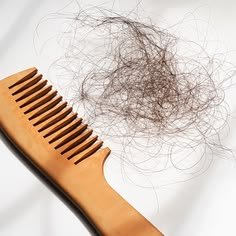
There is a similarity between breakage and shedding in brushes, but they are distinct issues. When hair sheds, it has a small white bulb at the root. So, when hair breaks, it has no bulb, and it appears shorter. If this is a case of breakage, here is what you can do immediately.
- Relieve some pressure from your hairstyles. When it comes to hairstyles, tight ponytails, braids, and buns apply pressure on the hair follicles.
- Opt for heat protectant products. Make sure that your heating tools have the right settings.
- Avoid brushing wet hair. Wet hair can easily stretch and break.
- Get used to satin or silk pillow covers. They reduce friction while you sleep.
- Cut off the split ends. They can travel along the hair shaft.
Week 3: Feed Your Follicles
To grow hair, the body needs necessary nutrition. Healthy meals must include:
Protein: Chicken, meat, fish, eggs.
Iron: Red meat, lentils, spinach (with vitamin C, it’s better absorbed).
Zinc: Seeds, shellfish, whole grains.
Also, do a blood test. Request ferritin levels, vitamin D, and thyroid function tests from your doctor. Autumn can drastically reduce vitamin D levels, which makes testing even more important. Use supplements only if tests prove the necessity.
Week 4: Add a Treatment If You Need One
Usually, there is no need for any treatment in case of seasonal shedding. Only if the thinning is visible, such as a widening parting, should a treatment be incorporated.
Minoxidil: It is the first FDA-approved topical agent for treating female-pattern loss of hair. Apply it as recommended on the scalp. It takes from three to six months to obtain results. It may result in hair shedding in the first few weeks. This is a sign that the treatment is effective. Do not use it during pregnancy and during breastfeeding without consulting a doctor. Our guide on minoxidil use for women contains important specifics.
Rosemary oil: Early studies show promising results. However, the studies are few and still in the early stages of their development. Mix several drops of this oil with jojoba or coconut oil. Perform a patch test. Use it as a complementary agent rather than a replacement for other medications.
Massage of the head. A five-minute massage is low-risk and pleasant. However, the literature shows that the results are not convincing.
Protect Your Sleep and Stress Levels
Stress can result in hair loss. The effects of this condition may be visible after weeks or months. Doctors recommend yoga and meditation for dealing with hair loss caused by stress. Other ways to manage stress include maintaining a balanced diet, sleeping well, and getting some daily outdoor activity.
Signs It Is Not Just Seasonal
Seek out a dermatologist if any of the following apply:
- Hair loss continues for more than three months.
- Parting or hairline becomes wider.
- Bald spots appear.
- Scalp hurts, burns, or flakes excessively.
- You experienced hair loss after childbirth, sickness, or new medication.
The sooner you seek treatment, the more hair you can keep. Regrowth takes several months.
FAQ: How to Stop Hair Fall in Fall Season
- Is it possible to stop hair fall in autumn? Certainly not. Shedding hair is a natural event. Although one cannot stop this phenomenon entirely, some measures are recommended in order to improve the condition of the scalp and avoid some other problems.
- How long does autumn hair loss last? Most lose their hair for a period varying between a few weeks and two months. It is advisable to see a doctor if it continues for over three months.
- Is hair washing the cause of hair loss? No. Washing or combing hair only makes shedding more noticeable.
- What vitamins prevent hair loss? There is no vitamin that would work for everyone. Iron, zinc, and vitamin D are effective only when a person has low levels of these vitamins in their blood. You should take a blood test first before starting to take vitamins.
- Does rosemary oil affect hair loss? It is likely to help people with hair loss, but its effects still need to be studied. Moreover, its effects are helpful for “surface-level” hair problems.