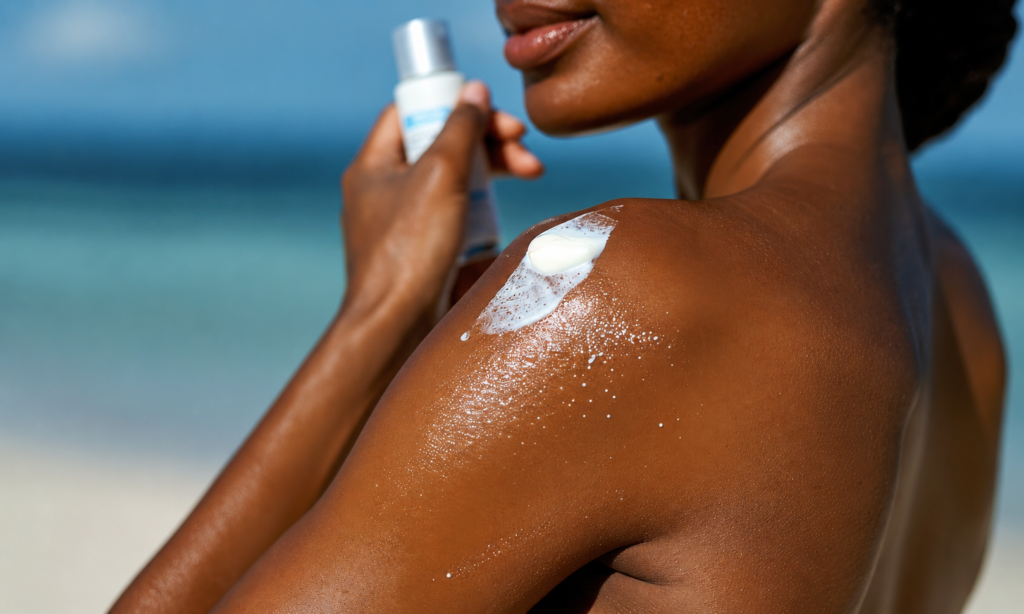
For individuals with reactive, rosacea-prone (extreme redness), or sensitive skin types, finding an appropriate sunscreen can often feel more like being a detective than a shopper. Many formulations sting or cause redness, and/or are difficult to apply; they provide inadequate protection. However, one of the biggest reasons people do not find solutions is due to their lack of understanding; namely, the only type of sunscreen that consistently works for sensitive skin types is not simply made without certain ingredients but also is formulated with minerals or beneficial ingredients that dermatologists have recommended for sensitive skin types for years – Centella Asiatica.
Once you understand the benefits associated with Centella Asiatica, you will begin seeing this ingredient on every label of products that perform. On the other hand, mineral sunscreens are entirely based on nutrients and benefits that are directly absorbed into the skin and soothe it.
The Secret Ingredient: Why Does It Change Everything?
Centella Asiatica, or Tiger Grass, is a unique plant that boasts an impressive clinical record. This plant contains active ingredients known as asiaticoside, madecassoside, and asiatic acid. These ingredients are all evidence of how effective this herb can be in helping to heal environmental skin damage by repairing barrier function. The American Academy of Dermatology states that protecting the skin barrier is as important as protecting it from UV rays, and this can be done with a separate sunscreen or a combined sunscreen and centella product.
This distinction in terms of sensitive skin products is enormously important. Regular sunscreens protect against UV rays but often damage the barrier systems by using perfumes, alcohols, and harsh chemicals to form a protective barrier.
Centella in a sunscreen does both by protecting the outside in while also repairing the damage done from the inside out, which is why so many dermatologists recommend using soothing and barrier-building actives such as centella, panthenol, allantoin, bisabolol, and niacinamide in their sensitive skin SPF products.
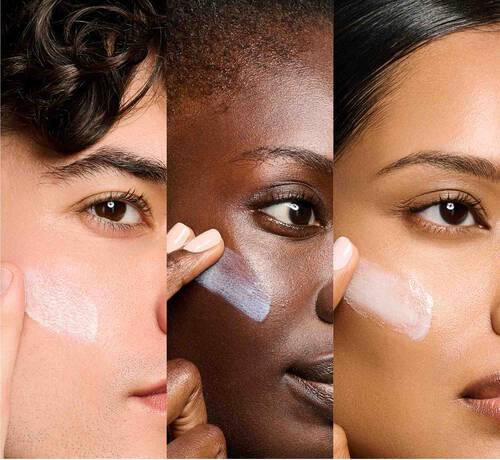
Centella is consistently found in the top-rated products for sensitive skin, and pairing centella with niacinamide has become the standard for individuals who require gentle protection for Sensitive skin.
SPF in My Sunblock
Let’s start by clarifying the meaning behind SPF (Sun Protection Factor). SPF is used as a way to measure the time that a sunscreen will protect you from UVB rays (the rays that cause you to burn). When you use SPF 50 correctly, it provides 50 times more UVB protection than if you used no sunscreen at all.
This means that one hour of exposure to UVB at SPF 50 is equivalent to 50 hours of protection from the sun’s rays without sunscreen.
Just because your sunscreen has a higher SPF than someone else’s doesn’t mean it’s providing as much UVA protection; therefore, it’s important to know that there are different types of UVA rays (long wave or short) and how they affect your skin. In addition to SPF, Korean and Japanese sunscreens will list a PA rating, which stands for Persistent Protection (more commonly found in Japanese products). The PA rating tells you how effective a sunscreen is at blocking UVA rays, where the higher the rating (PA+++ or PA++++), the more UVA protection you will receive.
What SPF Should I Use?
According to dermatologists, a minimum SPF of 30 should be used daily, while an SPF of 50 should be used if you are going to be outside for long periods of time, on summer vacations, at the beach, or using retinol. If you’re a retinol user, you must use a minimum SPF of 50 because retinoids thin the skin’s upper layer and greatly increase the likelihood of developing photosensitivity, meaning that using retinol will make it more likely that your skin will sustain UV damage, develop pigmentation, or get sunburned.
Just because an SPF has a higher number than another does not make it more potent; an SPF 50 would provide the same amount of protection to the skin as an SPF 30 placed on top of it. However, based on the ingredients used in the sunscreen, an SPF 50 can be a gentle sunscreen for skin types that are prone to reactive behaviors.
Non-fragrance sunscreens that contain calming active ingredients and barrier-supporting ingredients like niacinamide help to reduce inflammation and sensitivity that occur from UV damage over time by minimising the amount of UV damage that contributes to the development of these types of health problems.
Does Sunscreen Prevent Tanning?
The answer is yes; tanning can happen while exposed to the sun, and it’s contradictory to what one would expect. Sunscreens block a great deal of UV rays when used, meaning there is less risk for your skin tanning when wearing them. However, despite being an effective barrier to the sun’s harmful rays, sunscreens will block most of the UV rays from reaching your skin, especially those with SPF Ratings of up to fifty (50) loaded with extra skin benefits.
You may continue to experience some level of tanning with an SPF Rating of 30 (thirty,) for example, even after prolonged or repeated exposure in the sun while wearing sunscreen — tan (darker) skin area(s) after sunscreen has been on for some time is your body telling you that it is time to reapply; don’t think about it as a reason to skip sunscreen next time!
What Is Mineral Sunscreen — and Is Mineral Sunscreen Better?
Chemical sunscreens use chemical UV filters, such as avobenzone or oxybenzone, that penetrate into the skin and react with UV rays. Mineral sunscreen filters consist of physical blocks of zinc oxide or titanium dioxide.
To clarify further, the only difference between chemical and mineral sunscreen is how it reacts to UV rays. Many people believe that mineral filters are better for sensitive skin, and others feel that they do not work better than chemical filters. Therefore, judging a single product by its filter category is not the correct approach to finding the best sunscreen for sensitive skin.
According to many dermatologists, when recommending an appropriate product for sensitive skin or acne-prone skin, you should evaluate the entire formula and not only the filter type.
A non-comedogenic mineral sunscreen is suitable for acne-prone skin that is also packed with zinc oxide. Zinc is naturally anti-inflammatory to soothe redness or burns.
For sensitive skin prone to redness, a centella-based hybrid formula with gentle chemical filters can outperform a badly formulated pure mineral one.
To evaluate the most appropriate type of sunscreen for sensitive skin that is prone to redness, a hybrid formula with centella and chemical filters is superior to a poorly manufactured mineral-only sunscreen.
The Best Sensitive Skin Sunscreens With Centella (2026)
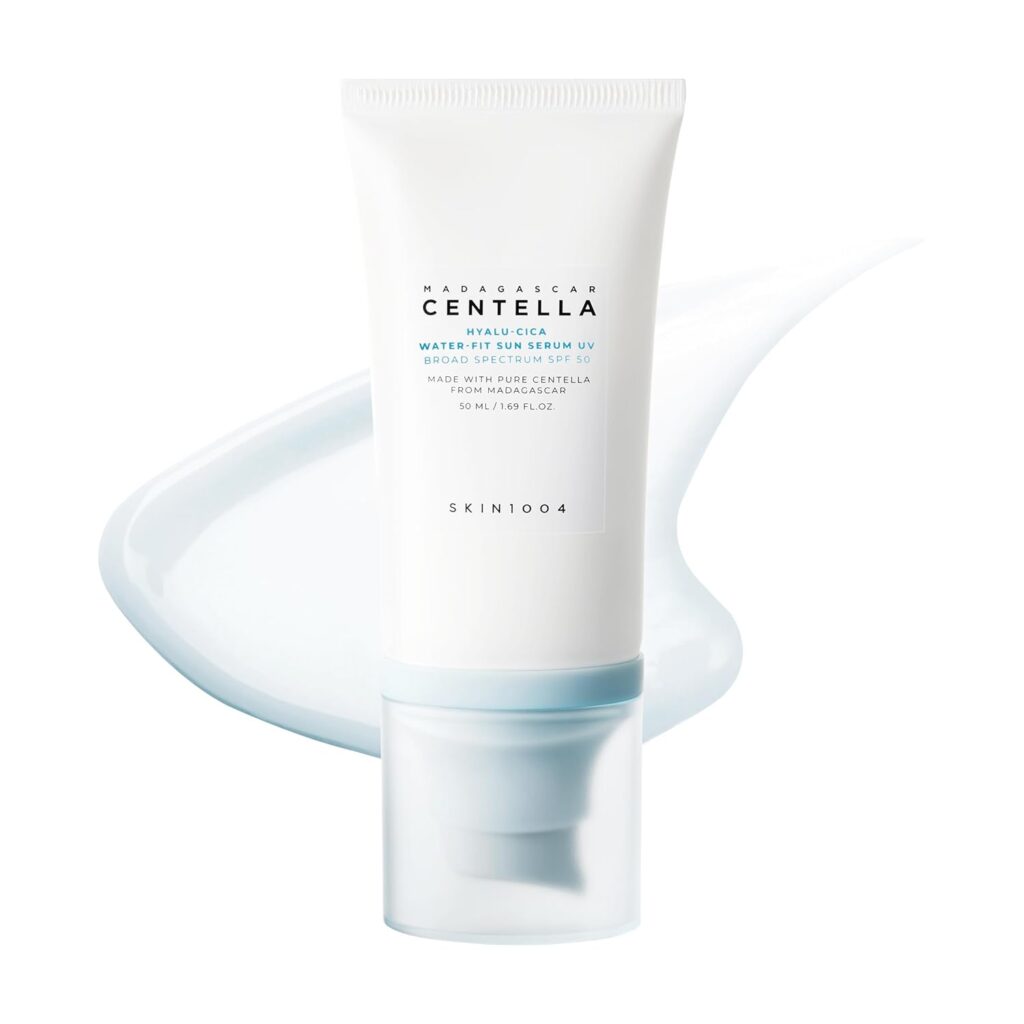
Beauty of Joseon Relief Sun
This Korean sunscreen has gone viral due to its popularity among Reddit and Facebook groups before being made available globally—and it totally lives up to the hype! It provides superior broad-spectrum protection against UVA and UVB rays (SPF 50+ with ++++) and does so in an airy, light-as-a-feather, satin-finish formula that contains rice extract, niacinamide, and probiotics that both soothe your skin and help minimize the look of fine lines in your skin.
Tinosorb M is the main UV Filter used in this sunscreen, making it one of the most photostable and gentle on your skin. It does not contain two of the most common chemical UV filters that can cause irritation or allergic reactions (oxybenzone and octinoxate), nor does it contain any other common allergens, thereby making it safer for sensitive skin and a more environmentally safe product for our reefs.
Of the 36 major brands that BeautyMatter conducted independent SPF verification testing (using a much more rigorous standard than what is typically used), this brand was one of only two (2) that provided valid in-vivo test data that could be verified – a very significant sign of trust when 90% of the brands that display SPF claims can be mislabeling or misrepresenting the actual level of SPF protection provided—this is also especially important in a product category that has recently seen a dramatic increase in products being sold with covert marketing claims made by “sister-ship” companies. This product is feather-light on your skin, will leave a minimal white cast, and is Vegan & Cruelty Free!
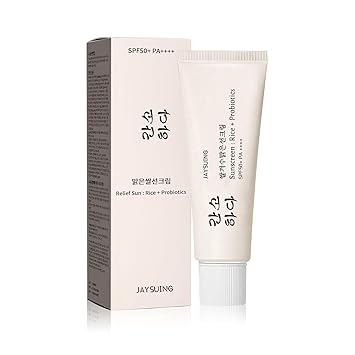
SKIN1004 Madagascar Centella Hyalu-Cica Water-Fit Sun Serum
This is the only formula that truly represents the Centella sunscreen segment. This sun serum from SKIN1004 is made from Centella that is sourced from Madagascar (which has the healing properties of asiaticoside and madecassoside) and incorporates ‘hyaluronic acid’ to help moisturize your face, while also delivering a comfortable texture that absorbs easily into the skin and pairs nicely with makeup.
It contains no fragrance or anything that can clog pores, and has created a loyal following among those with sensitive skin post-procedure, who suffer from rosacea, and those with perioral dermatitis, as they tend to have adverse reactions to most other sunscreens due to irritation upon application.
This product also provides broad-spectrum protection—that is, SPF 50 and PA++++—and keeps skin from becoming shiny throughout the day, as it can also work as a hydrating primer, which makes it an ideal choice for summer use, when temperatures and humidity require a product that can stand up to the elements for several hours without having to reapply.
La Roche-Posay Anthelios UV Air SPF 50+
La Roche-Posay has recently introduced a brand-new item in their Anthelios line of products, representing considerable advancements in how sunscreens can be created. This product series has been tested and proven to withstand harsh weather conditions such as heat, humidity, and pollution, surmised to last all day while feeling weightless on the skin like a serum.
Although this product line contains two types of broad-spectrum SPF (45 and 50), it can either serve as a daily skin-care product or complement a summer vacation lineup.
To ensure that all customers have sun-protection options available when needed, La Roche-Posay recommends reapplying their sunscreens according to dermatological standards (once every two hours), and their tinted mineral formulation allows users to easily reapply over makeup during the day without smudging it.
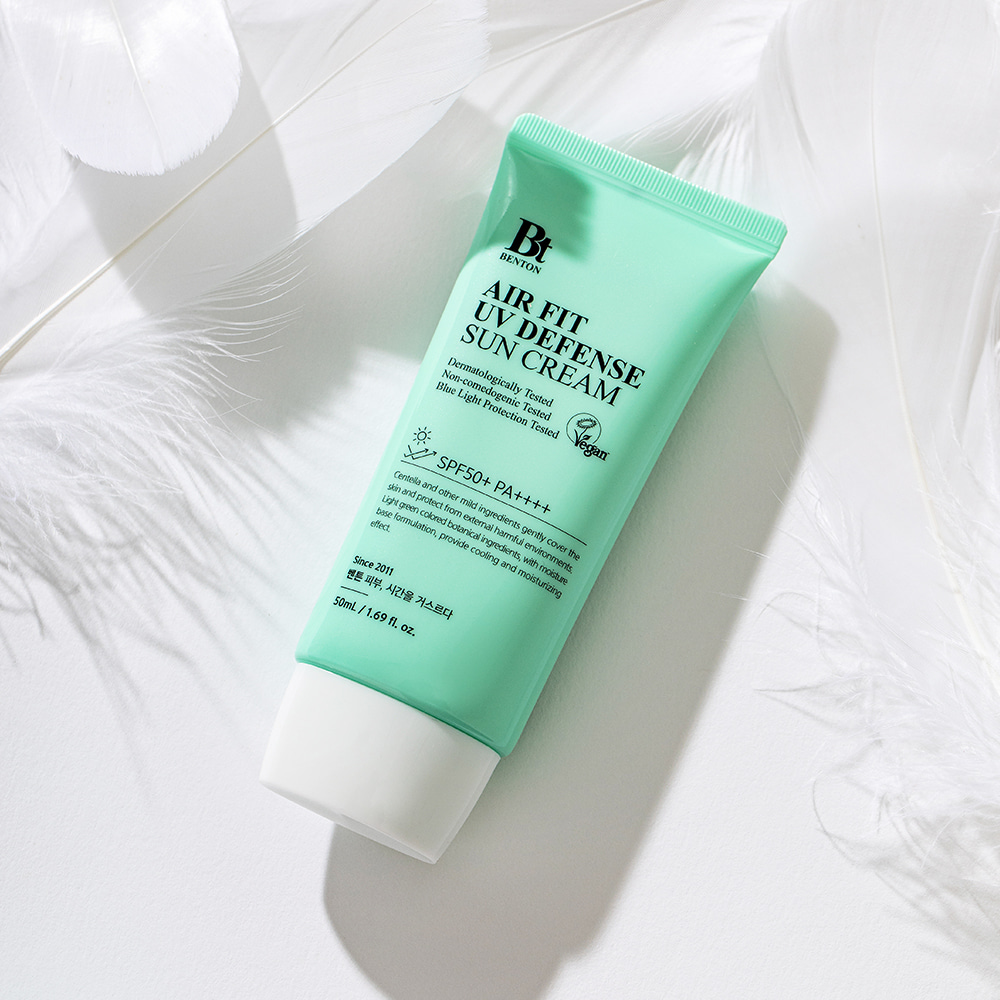
Benton Air Fit UV Defense Sun Cream SPF 50+
This Korean sunscreen is recommended by dermatologists for those with very sensitive skin. It has a combination of new filters (Tinosorb S and Tinosorb-class triazines plus Uvinul T-150) with a comprehensive list of ingredients (niacinamide, centella, licorice, panthenol, bisabolol, adenosine) that are all fragrance-free and certified vegan.
This product is priced at about $21 for 50 ml; it is also one of the most affordable centella sunscreens on the market, yet still has the best-quality formula, so dermatologists recommend using modern chemical filters and several soothing active ingredients to create a product that is not only safe to use but also contains ingredients that will actively help rebuild damaged skin rather than just protect it.
SkinCeuticals Future Mineral UV Defense SPF 50
SkinCeuticals has released their newest product in the category of mineral sunscreen! This is the company’s latest addition to their advanced formula for SPF 50 with no visible whiteness from ingredients, for example, 15% zinc oxide, niacinamide, PANTHENOL, & cellulose. The product protects your skin from harmful rays while providing hydration and reducing the appearance of fine lines, wrinkles, and dark spots. This is an excellent option for those looking for non-toxic sun care products with anti-aging benefits. Pair this product with an active skincare regimen using retinoids or vitamin C at the SkinCeuticals price point!
Practical Tips for Summer Vacation and Everyday Use
A few things worth knowing before your next SPF purchase or application:
- Apply 15 minutes before going outside — chemical filters need time to absorb into skin before UV exposure.
- Use more than you think you need — a nickel-sized amount for the face; a full shot glass for exposed body skin. Under-application cuts SPF efficacy significantly.
- Sunscreen for retinol users should always be SPF 50 or higher, applied every morning without exception.
- Skin redness and sunburn often share the same root cause — UV-induced inflammation — which is exactly why centella-based formulas help on both fronts.
- Non-pore-clogging, non-comedogenic formulas matter most if you’re acne-prone. Every product listed above meets that standard.
- Japanese sunscreen and Korean sunscreen formulas tend to lead the category in cosmetic elegance — lighter textures, faster absorption, no white cast — partly because their regulatory frameworks allow more photostable filter options that aren’t yet FDA-approved in the US market.
,